
Unlocking the Health Benefits of Curry Leaves: Why You Should Add Them to Your Daily Diet

Unlocking the Health Benefits of Curry Leaves: Why You Should Add Them to Your Daily Diet

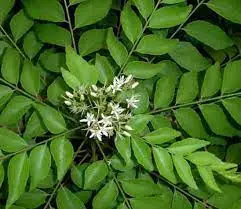
Curry leaves, also known as Kari Patta, are a staple ingredient in Indian cuisine. These small, aromatic leaves have been used for centuries not only for their culinary benefits but also for their medicinal properties. In this blog post, we will discuss the numerous health benefits of curry leaves and how you can incorporate them into your daily diet.


  1. Rich in Antioxidants Curry leaves are a rich source of antioxidants, which protect your body from free radicals that can damage cells and lead to chronic diseases such as cancer and heart disease. Antioxidants like vitamin C, beta-carotene, and phenolic compounds found in curry leaves can boost your immune system, improve skin health, and reduce inflammation.

  2. Aid in Digestion Curry leaves are known to aid digestion by increasing digestive enzymes in the gut. This can improve metabolism and nutrient absorption, and alleviate digestive issues like constipation and diarrhea.

  3. Promote Hair Health Curry leaves are a popular natural remedy for promoting healthy hair growth. They are rich in essential nutrients like iron, calcium, and vitamin A, which nourish hair follicles and strengthen hair. Curry leaves are also effective in preventing premature graying and dandruff.

  4. Manage Diabetes Curry leaves contain compounds that regulate insulin activity and improve insulin sensitivity, making them beneficial in managing diabetes. Consuming curry leaves regularly can help prevent sudden spikes in blood sugar levels and reduce the risk of complications associated with diabetes.


  5. Improve Eye Health Curry leaves are rich in vitamin A, which is essential for maintaining healthy eyesight. Vitamin A helps protect the eyes from oxidative stress and age-related macular degeneration. Consuming curry leaves regularly can help improve vision and maintain healthy eyesight.


    Unlocking the Health Benefits of Curry Leaves: Why You Should Add Them to Your Daily Diet


How to incorporate curry leaves into your diet?

Curry leaves are easy to incorporate into your daily diet. Here are some simple ways to add curry leaves to your meals:

  1. Use curry leaves as a flavoring agent in curries, soups, and stews.
  2. Add curry leaves to rice dishes like biryani or pulao.
  3. Make a curry leaf chutney by blending fresh curry leaves with coconut, chili, and garlic.
  4. Add fresh curry leaves to your salads or smoothies for an extra nutrient boost.

Possible Side Effects

While curry leaves have numerous health benefits, they may cause some side effects in some people. Here are some possible side effects to keep in mind:

  1. Allergic Reactions: Some people may be allergic to curry leaves and may experience symptoms like itching, swelling, and difficulty breathing.


  2. Gastrointestinal Issues: Consuming too many curry leaves can cause gastrointestinal issues such as diarrhea, nausea, and vomiting.

  3. Interference with Medication: Curry leaves may interfere with certain medications like blood thinners and diabetes medications. If you are taking any medications, consult with your doctor before consuming curry leaves.

  4. Kidney Issues: Curry leaves contain oxalic acid, which can lead to the formation of kidney stones in some people.
    Unlocking the Health Benefits of Curry Leaves: Why You Should Add Them to Your Daily Diet


Conclusion


Curry leaves are a versatile and flavorful ingredient that can provide numerous health benefits. From aiding digestion to promoting healthy hair growth and improving eye health, curry leaves are a great addition to any healthy diet. Just be sure to consume them in moderation and consult with your doctor if you have any concerns or are taking any medications.

Comments

Popular posts from this blog

The Incredible Benefits of Regular Exercise: Why You Should Make it a Part of Your Daily Routine

  The Incredible Benefits of Regular Exercise: Why You Should Make it a Part of  Your Daily Routine Regular exercise is essential for maintaining good health and well-being. It is recommended that adults engage in at least 150 minutes of moderate-intensity aerobic exercise per week, in addition to strength training exercises at least twice per week. Examples of moderate-intensity aerobic exercise include brisk walking, cycling, swimming, and dancing. Strength training exercises can include weight lifting, resistance band exercises, and bodyweight exercises such as push-ups and squats. It is important to choose activities that you enjoy and can maintain over time. Exercise can be done at any time of the day, but it is best to choose a time when you have the most energy and can stick to a consistent schedule. It is also important to listen to your body and gradually increase the intensity and duration of your exercise routine over time. Regular exercise has numerous bene...

The Beauty of Minimalism: A Review of The Minimalist's Products

  The Beauty of Minimalism: A Review of The Minimalist's Products   In a world where beauty routines often involve a multitude of products and complex regimens, there's a growing appeal to simplicity and minimalism. The Minimalist, a skincare brand with a clear commitment to minimalism, offers a refreshing alternative. In this review, we'll explore the philosophy behind The Minimalist and dive into their range of products, uncovering the beauty of minimalism in skincare.   The Minimalist Philosophy Less is more – a timeless adage that seems to resonate now more than ever. The Minimalist has embraced this concept and applied it to the world of skincare. Their philosophy revolves around simplicity, transparency, and effectiveness.   Minimal Ingredients The heart of The Minimalist's approach lies in their ingredient lists. Each product boasts a minimalist selection of ingredients, often just a handful. This deliberate choice reduces the risk of skin ir...

Black Wheat: The Gluten‑Free, Iron‑Rich Supergrain You Need

🌾  Black Wheat (Kala Gehu): India’s Superfood Revolution                    Black Wheat: The Gluten‑Free, Iron‑Rich Supergrain You Need   In the world of superfoods, Black Wheat, also known as Kala Gehu, is quickly making a name for itself. With its deep purple-black hue and impressive nutritional profile, black wheat is not only revolutionizing the Indian wheat industry but also emerging as a holistic health booster. Rich in antioxidants and essential nutrients, this naturally bred variety offers benefits far beyond conventional wheat — making it a smart, functional food for modern lifestyles.   🧬 Nutritional Powerhouse Black wheat contains 28 times more anthocyanins than regular wheat — these are powerful antioxidants that protect your body at the cellular level. But that’s just the beginning. Here's what this super grain is packed with: Anthocyanins – Potent antioxidants for cell repair and disease preventi...

Amla vs. Lemon: Which Is the Better Vitamin C Booster

              Amla vs. Lemon: Which Is the Better Vitamin C Booster? When it comes to natural immunity and skin health, few fruits match the potency of Amla (Indian Gooseberry) and Lemon . Both are rich in Vitamin C, packed with antioxidants, and widely used in traditional and modern wellness practices. But which one is the ultimate health enhancer? In this post, we’ll dive deep into their nutritional profiles, benefits for skin, hair, digestion, seasonal availability, and even the diseases they may help prevent or manage—so you can choose what’s right for your health needs.   📆 Seasonal Availability: When Are They Best Consumed? ·          Amla : Amla is a winter fruit , harvested fresh between October to March . However, it is widely available year-round in dried, powdered, or juice form, making it easy to consume in any season. ·          Lemon : Avai...

Hemoglobin Booster Foods You Didn’t Know About

🌟 Hemoglobin Booster Foods You Didn’t Know About Natural Ways to Boost Hemoglobin – Beyond Spinach & Beets 🔬 What is Hemoglobin? Hemoglobin (Hb) is a protein in red blood cells that carries oxygen from your lungs to the rest of the body and transports carbon dioxide back for exhalation. It contains iron , which is essential for oxygen binding and gives blood its red color. ⚠️ What Happens When Hemoglobin is Low? Low hemoglobin causes anemia , leading to symptoms like fatigue , dizziness , shortness of breath , pale skin , cold hands/feet , and even hair loss or brittle nails . Severe deficiency can also affect your heart rate and mental focus . 🩸 Normal Hemoglobin Levels Men : 13.8–17.2 g/dL Women : 12.1–15.1 g/dL Children : 11–13 g/dL Pregnant Women : ≥11 g/dL 🍽️ Top 10 Underrated Hemoglobin-Boosting Foods Black Raisins (Soaked Overnight) – A powerful source of iron , B vitamins , and copper . Soaking reduces sugar spikes and enhances ab...